

Lululemon’s Athlete Pivot, Prada’s Succession and a Luxury Market Reset: September 2025 Industry Roundup
This briefing synthesizes today’s top developments across fashion, luxury and retail: established athleisure Lululemon doubles down on athlete endorsements to arrest a steep stock slump and hit a €12.5bn revenue target, Prada confirms a generational CEO handover amid resilient H1 revenue of £2.27bn, and the luxury sector grapples with quality and supply-chain trust issues even as analysts lift ratings on LVMH and Kering. From sustainability prizes and circular design initiatives in Amsterdam to celebrity entrepreneurs consolidating fashion ventures, the market is balancing creative reinvention, governance shifts and renewed emphasis on product integrity.
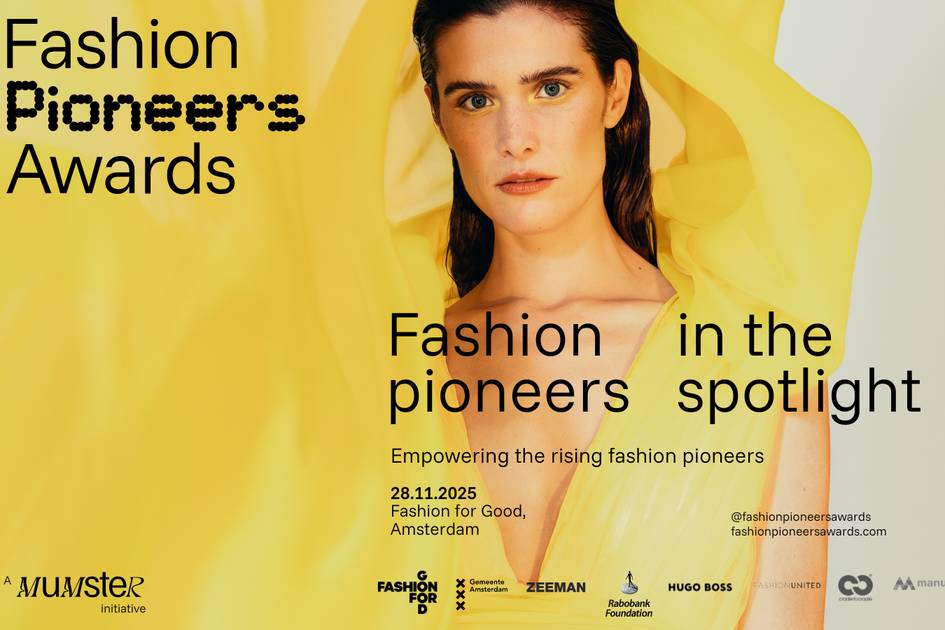
Call for entries: Fashion Pioneers Awards accepting applications until 30 September 2025
The inaugural Fashion Pioneers Awards, launched by Mumster in partnership with the City of Amsterdam and Fashion United, has opened submissions through 30 September 2025, with winners announced at Fashion for Good on 28 November. The program targets changemakers across sustainable fashion, offering visibility, mentorship, strategic partnerships and monetary prizes across categories including Social Impact, Amsterdam Circular Changemaker and a HUGO BOSS-backed Circular Design Award.
By structuring awards around social impact and circular innovation, the initiative reinforces industry trends: brands, municipalities and agencies are investing in start-ups that demonstrate measurable sustainability outcomes and scalable circular solutions. For brands and retailers scouting innovation pipelines, the awards represent a useful signal for potential partnerships and recruitment of circular design talent.

Lululemon steps up its sports push with new athlete roster
Lululemon is pivoting from its wellness-rooted marketing playbook to a high-profile sports strategy, signing elite athletes—tennis players Frances Tiafoe and Leylah Fernandez, golfers Max Homa and Min Woo Lee, and Formula 1 champion Lewis Hamilton—to broaden appeal beyond yoga and drive recovery from a roughly 50% stock decline this year. The move accompanies CEO Calvin McDonald’s ambitious target of €12.5bn in revenue by end-2026, a target analysts now see as at risk by about €500m.
This strategic shift underscores a pivotal tension for legacy athleisure brands: evolving from niche communities (yoga instructors and local ambassadors) to mainstream sports sponsorship requires heavy investment but can deliver mass-market credibility on stages like the US Open and PGA Tour. Investors will be watching near-term earnings and whether the athlete-led approach translates into sustainable market share gains versus younger challengers such as Alo Yoga and Vuori.
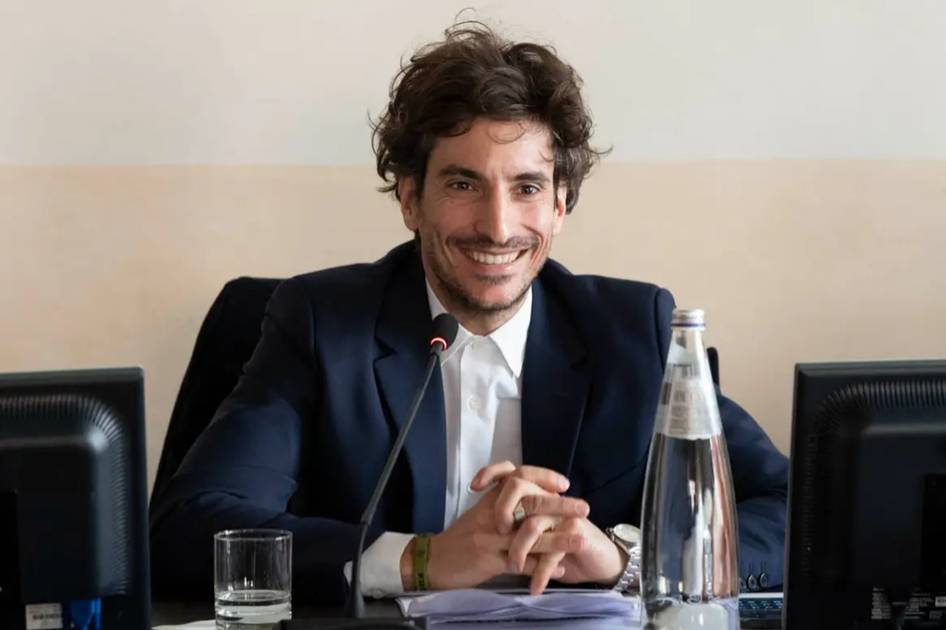
Patrizio Bertelli confirms Lorenzo Bertelli as future CEO
Prada Group chairman Patrizio Bertelli has publicly mapped a generational handover confirming Lorenzo Bertelli—currently CMO and head of corporate social responsibility—will eventually assume the CEO role. The planned succession follows a recent leadership structure that pairs Andrea Guerra as CEO with Raf Simons as co-creative director, positioning the group to court investors with both creative and governance signals.
Prada’s solid H1 performance—net revenues of £2.27bn, retail sales up 10% and adjusted EBITDA margin steady at 22.6%—gives Lorenzo a stable platform to focus on marketing and sustainability priorities. The succession underscores an industry pattern: family-led houses formalizing transition plans while maintaining creative continuity to retain brand equity and investor confidence.
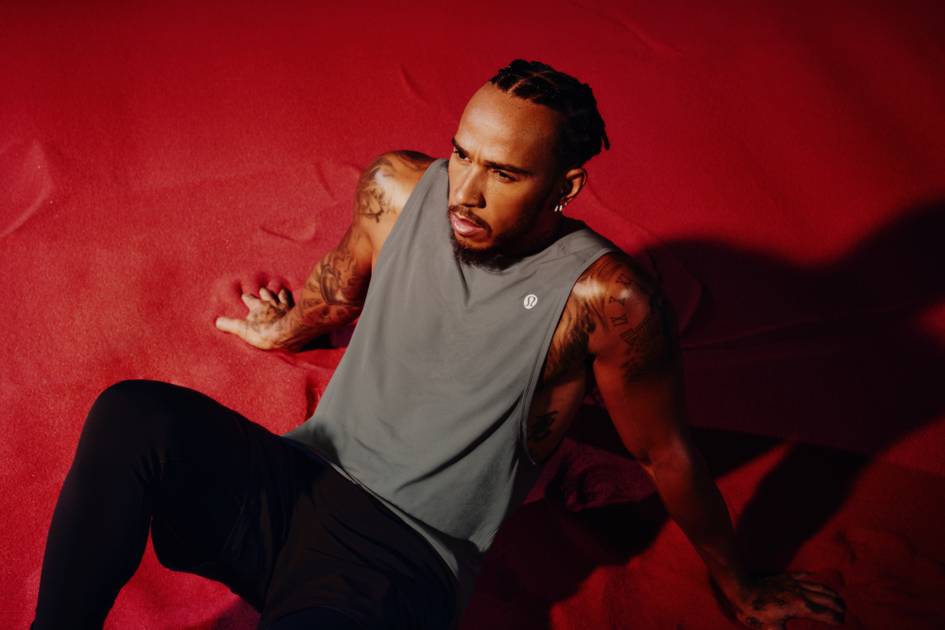
Lewis Hamilton renames business venture
Lewis Hamilton has rebranded his umbrella organisation from Project 44 to Lewis Hamilton Ventures, consolidating assets spanning apparel line Plus 44, non-alcoholic tequila Almave, and Dawn Apollo Films under a single commercial identity. The relaunch, announced on LinkedIn, reflects a strategy to professionalize and scale a diversified lifestyle and media portfolio alongside his racing career.
The move also signals the growing power of athlete-entrepreneurs in fashion and lifestyle categories; Hamilton’s close collaborations with brands such as Dior and Lululemon exemplify how celebrity credibility can accelerate product launches and brand extensions. For fashion retailers and partners, the consolidation makes commercial engagement and co-branding discussions more straightforward.

I titoli del lusso europeo sono in rialzo
European luxury stocks rallied after HSBC upgraded LVMH and Kering to ‘buy’ on expectations Chinese consumer engagement will rebound, lifting LVMH as much as 4% and Kering about 4.6%. Analysts posited that China’s re-engagement, even if gradual, can help restore revenue momentum for houses that faced a demand slowdown earlier in the year.
The market mood remains nuanced: while optimism around Chinese recovery buoyed several names including Richemont and Brunello Cucinelli, HSBC downgraded Hermès to ‘hold’ citing limited near-term acceleration for Birkin demand. These moves highlight uneven exposure across houses and the critical role of regional consumption patterns in luxury multiples and investor sentiment.
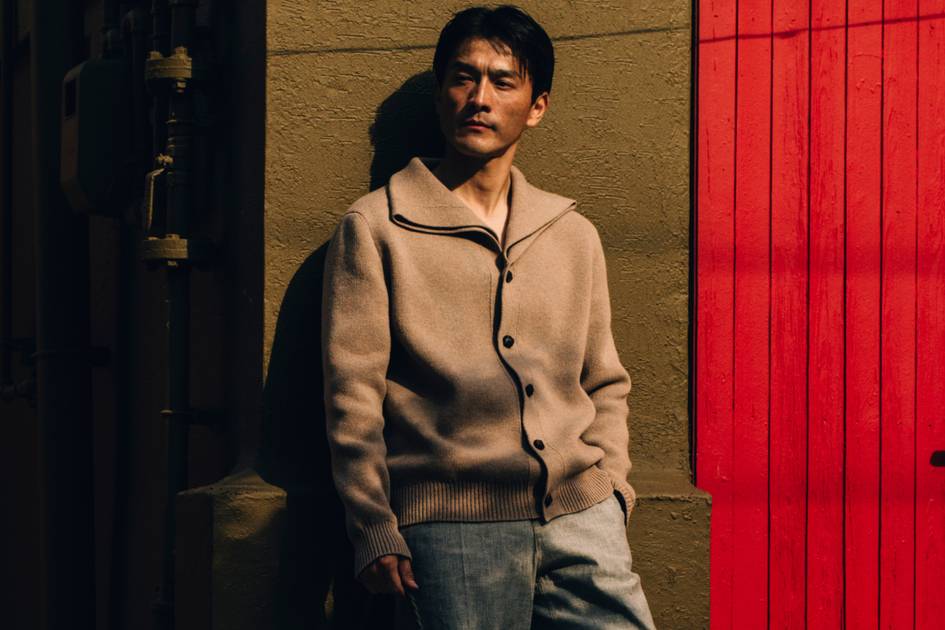
Mr Porter introduces AW25: Timeless pieces for the season ahead
MR PORTER’s AW25 edit emphasizes elevated essentials—knitwear, turtlenecks, leather jackets and structured outerwear—from houses including Saint Laurent, Celine Homme, Tom Ford and Loewe—positioning timeless pieces as the backbone of seasonal menswear. The campaign’s curated approach speaks to consumer demand for durability and investment purchases amid a wider luxury reset focused on product quality.
For retailers and merchandisers, the edit reinforces a merchandising playbook: prioritize versatile, high-margin core pieces and editorial storytelling to drive conversion. MR PORTER’s shoot in Korea also underscores the ongoing importance of localized creative content to engage global luxury audiences.
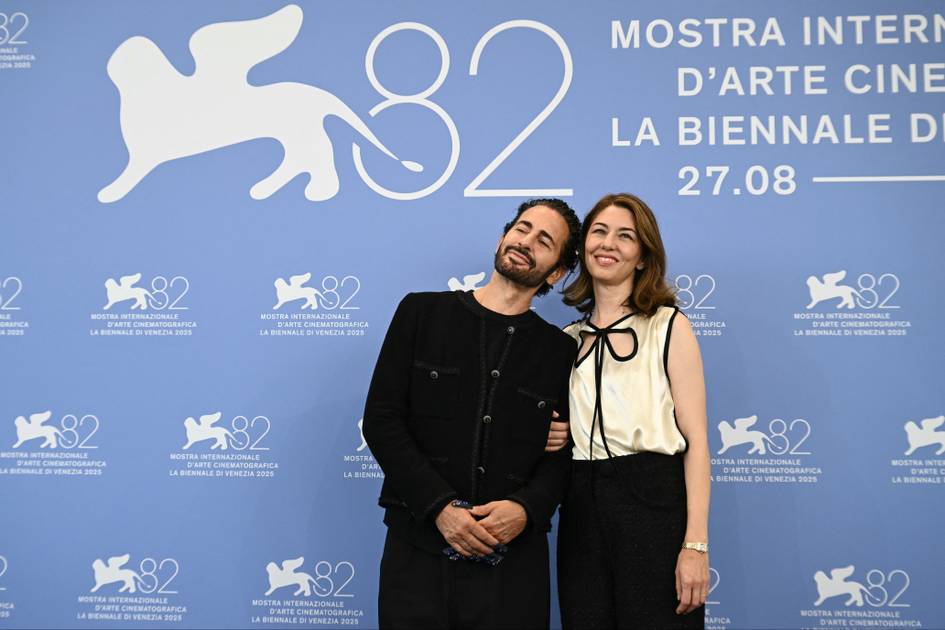
Sofia Coppola’s ‘love letter’ to Marc Jacobs, presented in Venice
Sofia Coppola premiered ‘Marc by Sofia’ at the Venice Film Festival, an intimate documentary chronicling Marc Jacobs’ creative process and backstage life during his SS24 show. The film—framed by a decades-long friendship—offers cultural capital to the designer at a time when industry chatter includes potential strategic moves such as LVMH’s reported discussions to sell Marc Jacobs for an estimated $1bn.
Documentaries like this perform dual functions: they humanize craft and reinforce brand narratives, while also acting as soft power that can influence consumer perception and collector interest. For luxury marketers, the film is a reminder that editorial storytelling rooted in authenticity remains a potent driver of desirability.
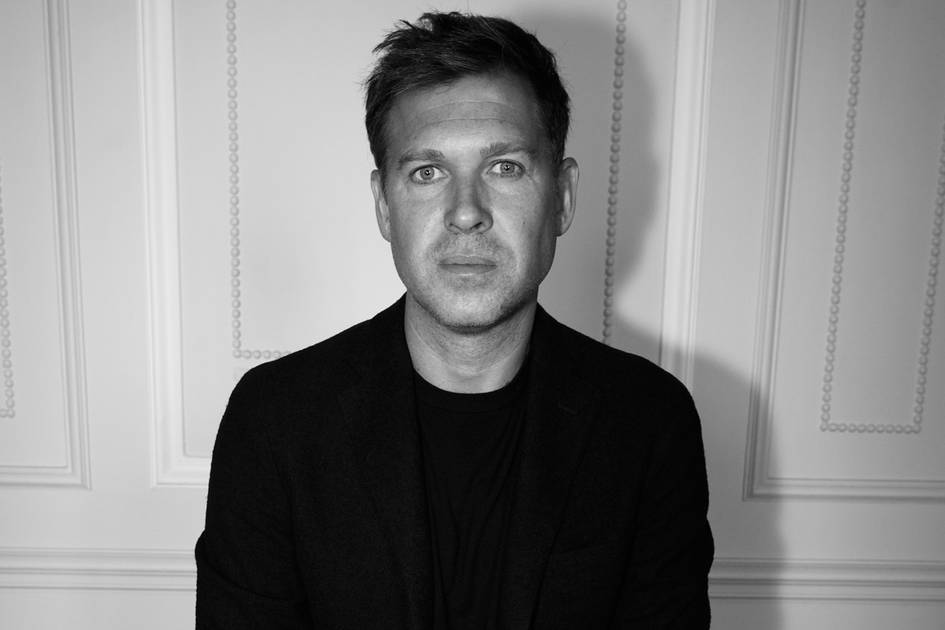
Romain Trébuit to revitalize Inès de la Fressange Paris as new MD
Inès de la Fressange Paris has appointed Romain Trébuit as managing director to drive premiumization, expand bags and accessories, and double digital revenue (currently just under 20% of sales). Trébuit plans a measured retail expansion and a product strategy that keeps around 40% of production in France while preserving accessible price points.
This hire reflects a broader industry playbook for heritage labels: sharpen core product identity, amplify direct-to-consumer channels, and use selective retail openings to scale internationally without diluting brand equity. For buyers and wholesale partners, the repositioning signals renewed focus on iconic, high-turn pieces.

The Great Fashion Reset | How to Fix Luxury’s Trust Issues
Business of Fashion’s analysis frames a sector-wide reckoning: Dior’s creative relaunch under Jonathan Anderson and CEO Delphine Arnault is part of a larger push to restore product quality and credibility after price inflation and a series of Italian supply-chain scandals eroded consumer trust. The article argues that quality improvements—both in manufacturing and ethical supply chains—are prerequisites for sustaining premium pricing.
For executives and investors, the takeaway is clear: addressing systemic issues around ‘Made in Italy’ provenance, labour standards and product craftsmanship is not just reputational risk management but a commercial imperative to justify value propositions and reawaken demand among discerning luxury buyers.