

From Armani’s Legacy to BAPE x adidas and LeBron’s AF1 Reveal: What Today’s Luxury and Streetwear Moves Mean for Fashion’s Future
Today’s headlines span the spectrum of luxury and streetwear — from the passing of Giorgio Armani and questions over succession of his $12 billion empire, to high-energy collaborations like BAPE and adidas’ soccer collection and LeBron James’ unreleased Nike Air Force 1 Low. These stories reveal three converging trends: legacy governance in family-less fashion houses, the commercial power of sport-inflected collaborations, and the continuing cultural cachet of limited-edition sneakers. Together they illustrate how heritage brands and streetwear players are adapting strategy, storytelling, and product drops to sustain growth and relevance in 2025.

BAPE and adidas Join Forces for Soccer Collection
The BAPE x adidas soccer collection blends streetwear attitude with performance heritage, featuring two colorways of the SSTR V, complementary apparel and a special-edition shark hoodie. Design highlights — including atmos’ glow-in-the-dark “G-SNK” texture — signal how collaborations increasingly lean on visual novelty and limited runs to drive buzz and direct-to-consumer traffic.
This release is timely: it coincides with the opening of the CR7 LIFE MUSEUM in Hong Kong, reinforcing the strategic tie between sport, celebrity and retail activations. For both BAPE and adidas, such collections function as brand amplifiers — attracting collectors, football fans and fashion-first consumers while feeding social channels and resale markets.
From a retail perspective, the BAPE/adidas playbook underscores two KPIs that matter today: traffic velocity and lifetime value. Limited drops boost short-term conversion and secondary-market visibility, while thoughtfully designed apparel and heritage references deepen loyalty. Brands that execute these drops coherently — from storytelling to inventory cadence — sustain momentum beyond the initial hype. For more on adidas collaborations and product pages, see https://www.adidas.com.

When Giorgio Armani invited Aishwarya Rai to Milan
Giorgio Armani’s invitations to luminaries such as Aishwarya Rai and Abhishek Bachchan — notably for his house’s 40th anniversary in Milan and other intimate events — exemplify how luxury brands cultivate cultural capital through selective hospitality. Armani’s personal touch and long-standing relationships with international stars were part of a carefully managed image strategy that married discretion with global influence.
Those anecdotes also reflect Armani’s ability to translate private rapport into public prestige. Hosting Bollywood figures at Milan and the Armani museum openings reinforced the maison’s global outreach and its resonance with diverse luxury audiences, particularly in South Asia — a market that continues to be strategically important for many European houses.
As legacy brands consider their next chapters, Armani’s approach offers a model: curated experiences and selective cultural partnerships that add aura without diluting craftsmanship. Luxury houses will need to balance this model with digital storytelling and scalable retail operations to sustain both brand mystique and topline growth.
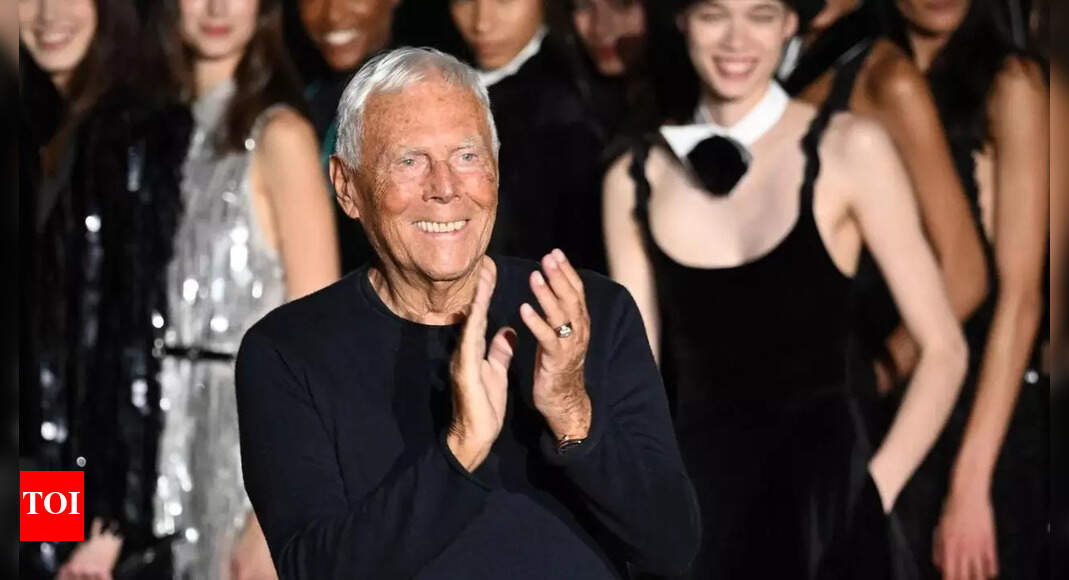
Who will inherit Giorgio Armani’s billion-dollar fashion empire?
Giorgio Armani’s passing at 91 raises immediate governance and legacy questions for a privately held business reportedly valued at around $12 billion. Armani established the Giorgio Armani Foundation in 2016 to protect the company’s independence and governance — a step that many founder-led houses have taken to ensure continuity without dilution or hostile acquisition.
Reports indicate family members, including his sister Rosanna and nieces Silvana and Roberta, along with longtime collaborator Leo Dell’Orco, will guide the company forward. That mix of family and trusted executives is a common succession formula that aims to preserve creative direction while professionalizing management — crucial when the brand’s identity is so closely tied to its founder.
The Armani case is instructive for the industry: legacy brands without direct heirs often opt for foundations or holding structures to secure autonomy and protect cultural assets. Observers should watch the foundation’s governance moves and leadership appointments closely, as these will determine whether Armani remains a designer-driven house or transitions into a more corporate model. For background on the foundation model, see https://www.fondazionearmani.it/.
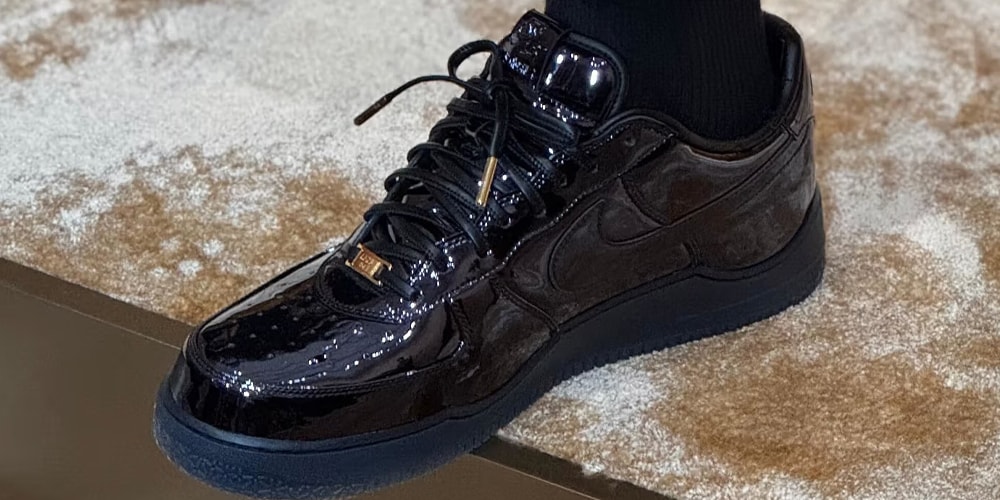
LeBron James Reveals Unreleased Nike Air Force 1 Low in “Navy Patent Leather”
LeBron James’ reveal of an unreleased Nike Air Force 1 Low in navy patent leather highlights how athlete-led drops continue to re-shape sneaker culture. The AF1’s enduring silhouette acts as a versatile canvas for storytelling — from Kobe tributes to patent leather executions — while celebrity endorsement ensures immediate global attention.
This is a reminder that limited, narrative-driven sneaker drops are still among the most effective tactics for driving earned media and resale activity. For Nike, leveraging LeBron’s platform combines athlete authenticity with product scarcity to keep both the brand ecosystem and marketplace values buoyant.
For retailers and brand managers, the lesson is tactical: integrate athlete partnerships into a broader calendar of releases, supported by editorial content and experiential touchpoints. Nike’s ongoing success with athlete collaborations shows the payoff when marketing, design and athlete storytelling are tightly aligned. For official Nike releases, visit https://www.nike.com.
Conclusion — What These Stories Mean for Luxury, Streetwear and Retail
Together, these stories reflect a fashion ecosystem where legacy stewardship, strategic collaborations and celebrity-driven product narratives coexist. Armani’s succession planning underscores the need for formal governance to protect brand DNA, while BAPE x adidas and LeBron/Nike drops show how limited collaborations sustain relevance and commercial upside.
Brands that will thrive are those that combine respect for heritage with modern execution: disciplined governance structures, data-driven release strategies, and cultural storytelling that connects across markets. Whether managing a multi-billion-dollar legacy house or launching a streetwear capsule, the imperative is the same — align creative vision with operational rigour to convert cultural capital into sustainable growth.